Chronic health conditions are on the rise worldwide, posing a significant challenge to individuals, healthcare providers, and policymakers alike. Managing these conditions effectively is crucial to improving quality of life, reducing complications, and controlling healthcare costs. This is where a condition management program comes into play, offering a structured and proactive approach to helping individuals better manage long-term health issues.
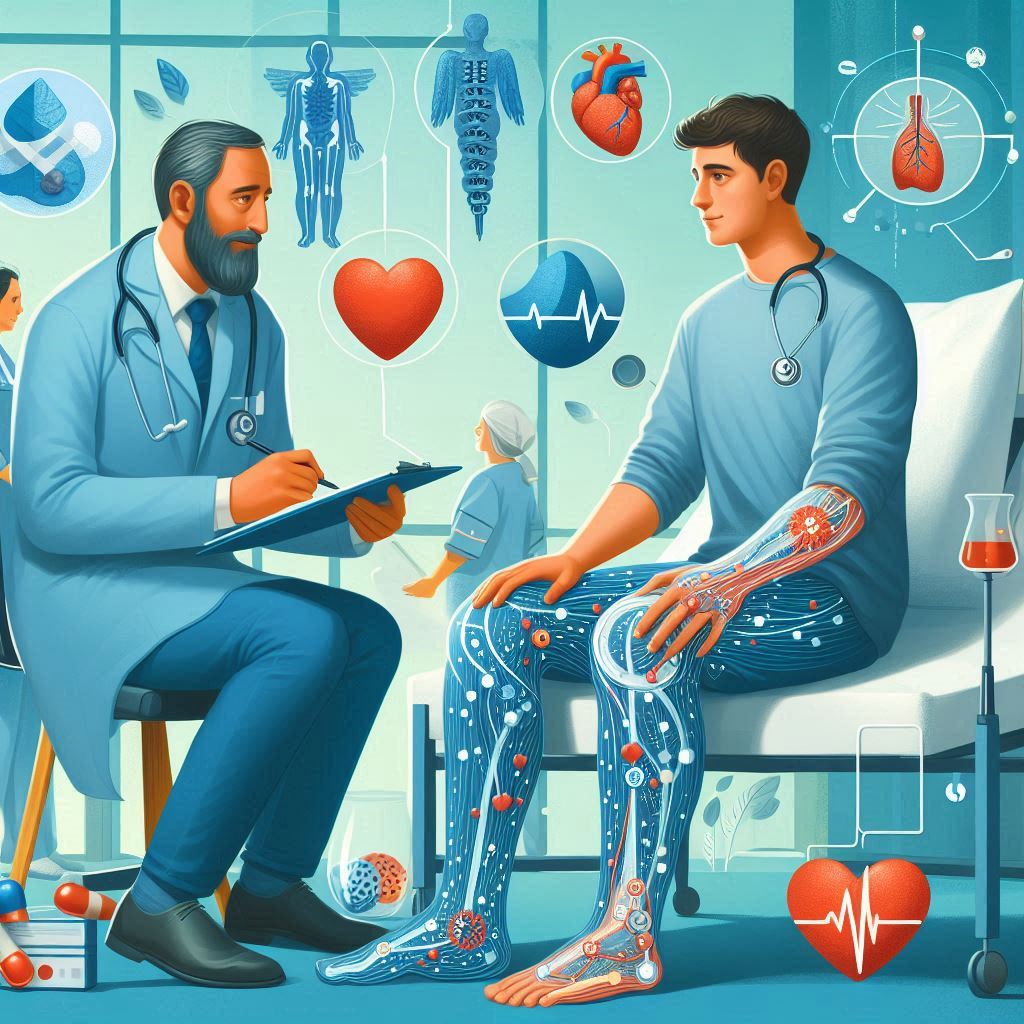
What is a Condition Management Program?
A condition management program is a teleradiology services in india comprehensive healthcare initiative designed to support individuals with chronic diseases or long-term health conditions. These programs combine medical expertise, health education, personalized care plans, and ongoing support to empower patients in managing their health effectively.
Chronic conditions such as diabetes, hypertension, heart disease, asthma, and arthritis often require continuous care and lifestyle adjustments. Condition management programs help patients stay on track with their treatment, prevent complications, and enhance overall well-being.
Why Condition Management is Essential
Chronic illnesses often develop slowly and can affect a person’s daily life, work productivity, and mental health. Without proper management, these conditions can worsen, leading to serious health complications, hospitalizations, and even early mortality.
Here’s why condition management is vital:
- Prevention of Disease Progression: Regular monitoring and early interventions help prevent the condition from worsening.
- Improved Quality of Life: Through education and support, individuals can make lifestyle changes that enhance their well-being and independence.
- Reduced Healthcare Costs: Effective condition management minimizes the need for emergency care, hospital admissions, and costly treatments.
- Increased Patient Engagement: Empowering individuals to actively participate in managing their condition improves treatment adherence and health outcomes.
- Better Resource Utilization: Healthcare providers can optimize resources by focusing on preventive care rather than emergency interventions.
Key Components of an Effective Condition Management Program
An effective condition management program goes beyond basic treatment and incorporates a holistic approach to care. Some of the essential elements include:
- Personalized Care Plans: Tailored health plans based on an individual’s medical history, lifestyle, and health goals.
- Education and Awareness: Providing patients with knowledge about their condition, risk factors, and self-care techniques.
- Regular Health Monitoring: Continuous tracking of vital health indicators to identify potential issues early.
- Lifestyle Modification Support: Guidance on nutrition, physical activity, stress management, and other healthy habits.
- Medication Management: Ensuring proper use of prescribed medications and addressing side effects or concerns.
- Behavioral and Emotional Support: Counseling and psychological support to help patients cope with the emotional impact of chronic illness.
- Technology Integration: Use of mobile apps, telemedicine, and remote monitoring devices to enhance accessibility and engagement.
The Growing Demand for Condition Management Programs
The global rise in chronic health conditions, coupled with aging populations and sedentary lifestyles, has amplified the need for effective condition management programs. Healthcare providers, insurance companies, and employers are recognizing the value of these programs in promoting better health outcomes and reducing the financial burden on healthcare systems.
In many countries, including India, digital health platforms are making condition management more accessible, even in rural or underserved areas. Virtual consultations, mobile health apps, and wearable devices are empowering patients to monitor their health and stay connected with healthcare providers.
Technology’s Role in Condition Management
Technology is revolutionizing the delivery of condition management programs. From mobile apps that track blood pressure or glucose levels to AI-driven health assessments, patients now have access to tools that make managing chronic conditions more convenient and effective.
Telehealth services allow patients to consult with healthcare professionals remotely, reducing the need for frequent in-person visits. AI-powered analytics can identify at-risk individuals and recommend early interventions, improving outcomes and preventing complications.
Conclusion
A condition management program is a vital teleradiology services component of modern healthcare that empowers individuals to take control of their health and effectively manage chronic conditions. By combining medical expertise, education, technology, and personalized care, these programs help reduce complications, improve quality of life, and lower healthcare costs. As the healthcare industry continues to embrace innovation, condition management will play an increasingly critical role in building a healthier future.
 digitaldata
Leave a comment